Showing posts with label film. Show all posts

Sunday, 10 July 2016

Film Review: Warcraft: The Beginning

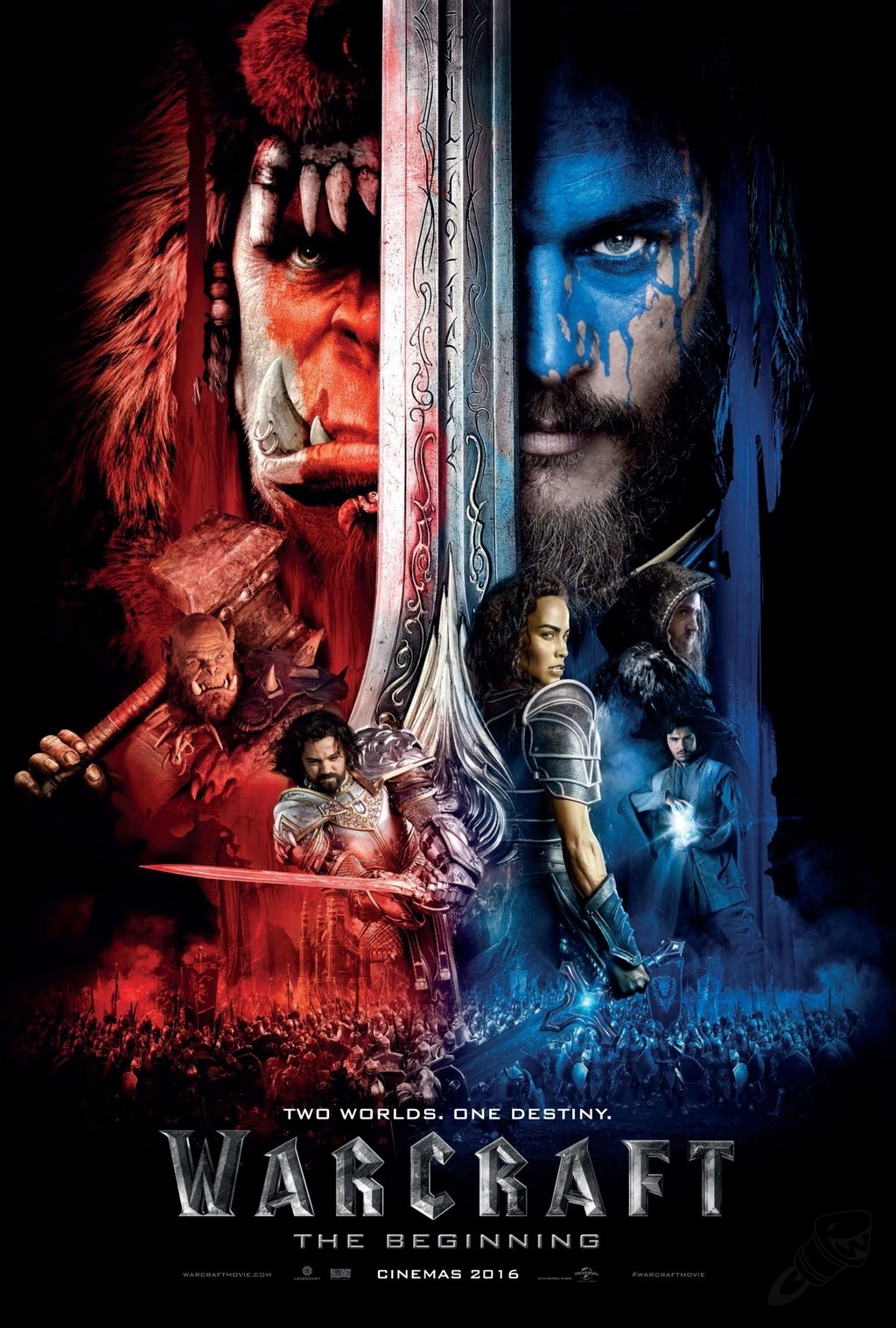
Theatrical Poster (perculia, 2016)
  • Director: Duncan Jones 
  • Native Title: Warcraft: The Beginning
  • Primary Language: English
  • Format: Colour
  • Year of Release: 2016
  • Budget: $160,000,000
  • Film Length: 123 minutes
  • Production Company: Blizzard Entertainment, Legendary Pictures
  Based on the highly successful Warcraft franchise by Blizzard Entertainment and directed by Duncan Jones, Warcraft: The Beginning is a fantasy movie that recounts the invasion of the human kingdom of Stormwind by a faction calling itself the Orcish Horde. The orchish chieftain Durotan however has doubts over this invasion and sought to work with some humans to thwart the scheme of Gul'dan, fearing that the destruction of his homeworld would happen to Azeroth.

  Movies adapted from video games have always had a curse: Next to never approved by critics, often doing things to upset fans of the franchise they portray and often coming out as messy or unfocused as they try their best to compress a story of twenty hours into two. A common issue is that movies trade interactivity and action for story "most game adaptations – it is a smallish field with a poor reputation – attempt to cash in on popular properties by simply trading off the lure of interactivity for the delights of big action on a big screen. Jones’s much more intelligent and aesthetic approach to the problem is not entirely new |...| but it does make Warcraft visually interesting throughout." (Taylor, 2016) Duncan Jones understands his setting better than most directors do in projects like this, and focuses on Warcraft's comic aesthetic and grand narrative translate onto the silver screen better than most. But the attempt is not free of flaws.

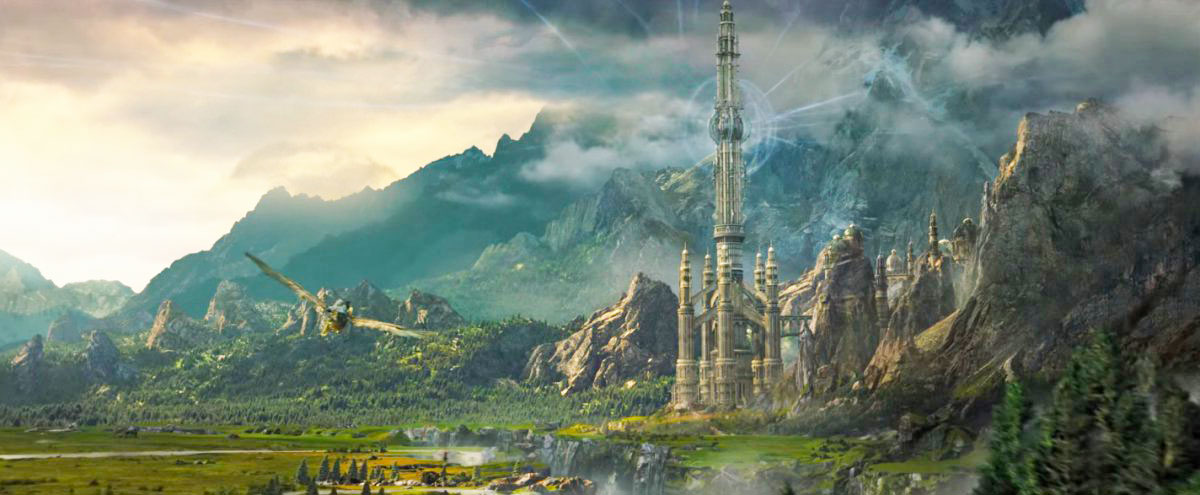
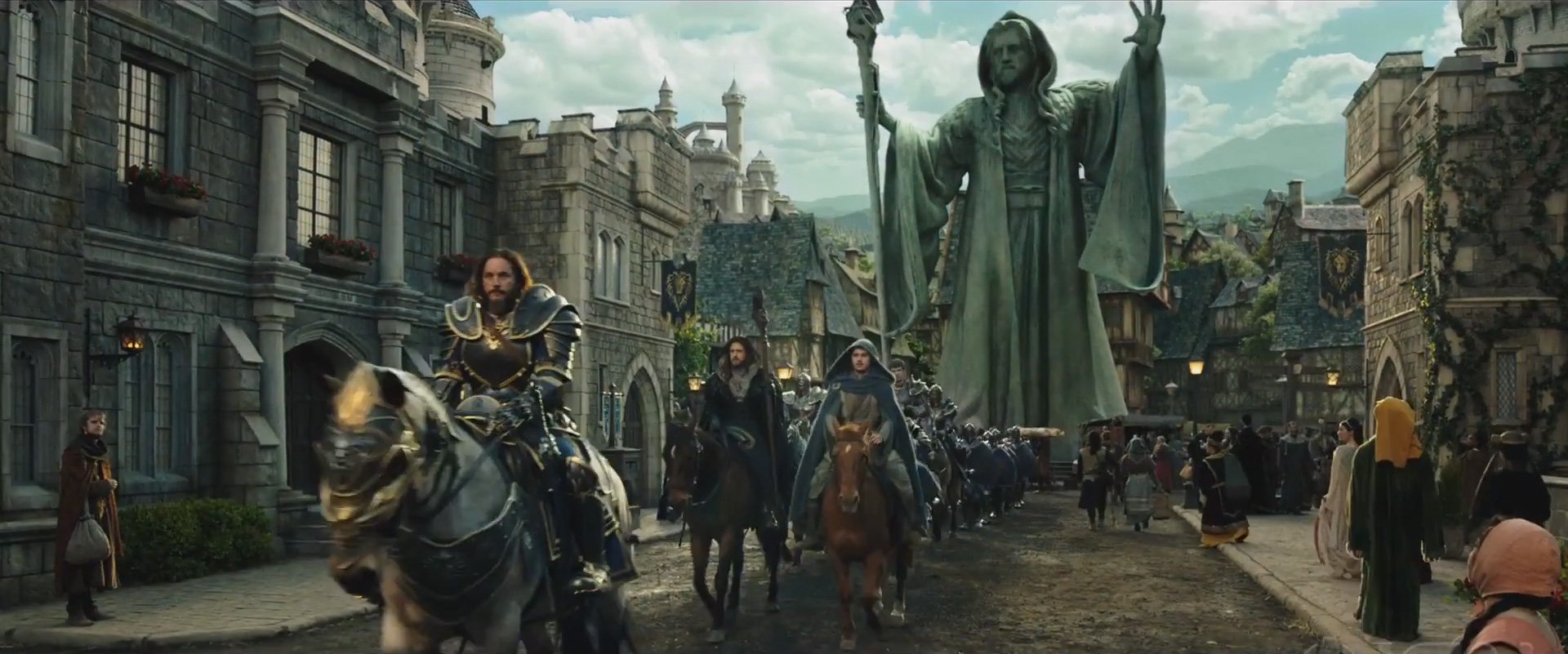
The locations have been lovingly crafted for fans and lore-buffs alike. Such as a city gate design the sole purpose of which was to hide a game engine limitation from 2004. (
  While this was quite a high-quality production, the opening summary of this analysis highlights one of the most noticeable issues with the film: As a franchise over 20 years old, Warcraft is a massive sprawling setting and the film suffers from a lumbering amount of exposition. For an expert of Warcraft lore, this might not be too big an issue but for someone unfamiliar with the franchise they will likely feel bombarded by names, places and characters. some of which they may miss. This barrage of names and places can make things confusing to one not too well versed in the lore. "Thanks to a go-between lady orc (Paula Patton) who has dainty she-fangs instead of tusks and hangs out with the humans, there could be peace between the two races, but only if the most hostile orcs and their snarly trouble-making wizard can be made to see reason. That’s my best guess for what’s going on, anyway" (Smith, 2016) It can be confusing to tell what's going on as we bounce from location to location introducing names left-right-and-centre like "Gul'dan", "Anduin Lothar" "Goldshire", "Dalaran", "Kharazan" "The Guardian" etc. it can be a struggle to keep up, fortunately a number of characters stand out visually so if "Khadgar" slips your memory "sexy young wizard" will help as an identifier, for instance.

"Onwards to--! Wait which location is this again? Did we miss somewhere?" is a potential hazard watching Warcraft. (Vincent, 2016)
  What we are shown however, is consistently stunning. "The Azerothians, |...| strut around in silly but not-wholly unattractive medieval-faire garb, while the heavily CGI-enhanced Orcs |...| are bulked-up in a repulsively fascinating way. They stomp around on their heavy, beefy feet, looking perpetually a bit forlorn and perplexed, thanks to the specific dental characteristic they all share: underbite fangs." (Zacharek, 2016) The Warcraft franchise could be described as "Lord of the Rings meets The Princess Bride": You have a story of humans vs monsters, good verses evil, mixed in with more pop culture references than what is thought humanely possible. The movie doesn't give us endless references to Spamalot or Star Wars, it may be rather serious for a fair bit of its running time but it does retain that tongue in cheek vibe. Late in the film for instance there is a fight between two primary characters. When one plays unfairly, it is met with the rest of the fight being perforated with random orcs shouting "He cheated!", "He's a cheater!" much in the same way the old lady from The Princess Bride jeered at a passing princess Buttercup (chants and phrases were in fact provided by attendees of Blizzcon 2014). The tongue-in-cheek nature of Warcraft is there, but it shares screentime with a lot of serious imagery such as the rather ghastly effects of the series' form of evil magic energy known as "the Fel."

Infodumping aside, it certainly looks like we're in a world where the Men of the West fight the orcs of the East and dread pirate kings are inconceivably polite. (Chaud, 2016)
All things considered Warcraft: The Beginning is not a bad film. While it's not a summer mastercraft to draw the millions (although it did gain a strong popularity in China), as far as video game adaptations it is a vast improvement from bombs like Hitman (2007), Tomb Raider (2001) and Max Payne (2008), it learned a lot from the failings of other adaptations and is something of a diamond in the rough. Compared to other 2016 it's mediocre, compared to other video game adaptations however and it might just be a curse-breaker. It doesn't try to bog itself down with translating game play into story and focuses primarily on the narrative. As this is adapting a strategy game with a lot of lore behind it and not an RPG or shooter, Warcraft: The Beginning's success might be a fair mix of choosing the right setting and the right genre to translate onto other silver screen. It's not perfect but then again neither was 2002's Spider-Man. And look at the success of comic book adaptation at the time of this review.

References

Image References

Tuesday, 12 April 2016

Film Review: When The Wind Blows

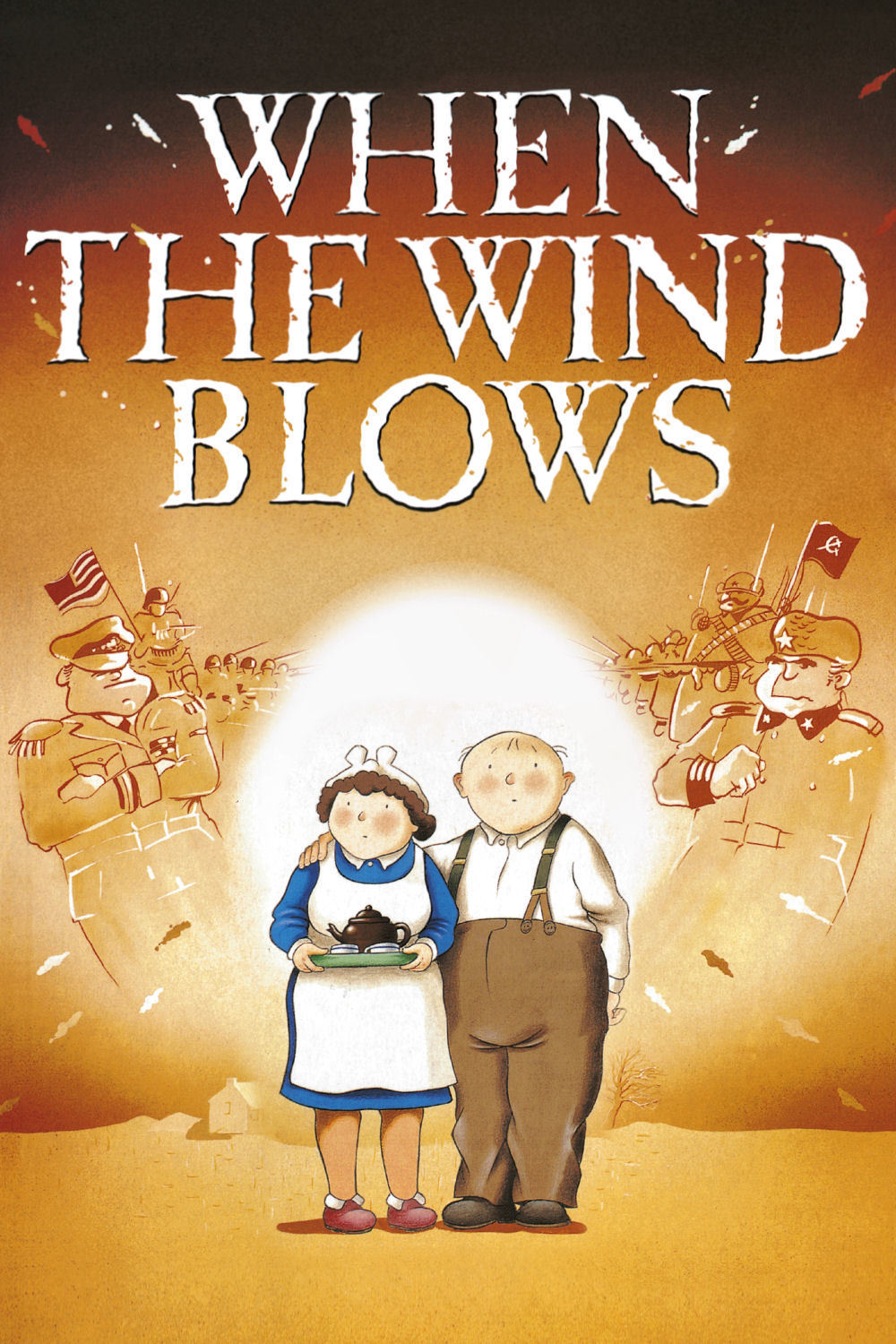
Figure 1: Theatrical Poster (Covey, 2015)
  • Director: Jimmy Murakami
  • Native Title: When The Wind Blows
  • Primary Language: English
  • Format: Colour
  • Year of Release: 1986
  • Budget: Unknown
  • Film Length: 80 minutes
  • Production Company: Meltdown Productions, British Screen Productions, Film Four International
  Named after the David Bowie track presented at the start, When the Wind Blows is an animated British production set at the height of the Thatcher/Reagan era of the Cold War, the film examines the paranoia of Mutually Assured Destruction and became famous for displaying the rather disastrous effects of nuclear fallout on the human body. And looks at how well-prepared the British public truly was for an actual nuclear attack, interspersed with recollections of life during the Second World War.

  For American cinema, 1986 was the age of the macho one-man army, the post-apocalyptic survivor and the plucky agent averting World War III. But what makes Where The Wind Blows stand out is it takes an alternative view of this genre. "Possibly most important is the screenplay by Raymond Briggs, who adapted his own novel and who has a wonderfully comic way of turning a cliche inside out." (Canby, 1988). Instead of communists and a small armoury, we see a quaint middle-class couple as they come to terms with how a single bomb has turned the Sussex contryside into a scene from Fallout or Mad Max. But worse, much of the film watches them as they progressively become sicker and sicker from an illness they don't even realise they have.

Figure 2: How the film tackles nuclear war: Two middle-class retirees slowly dying of rad poisoning. (Roberts, 2011)
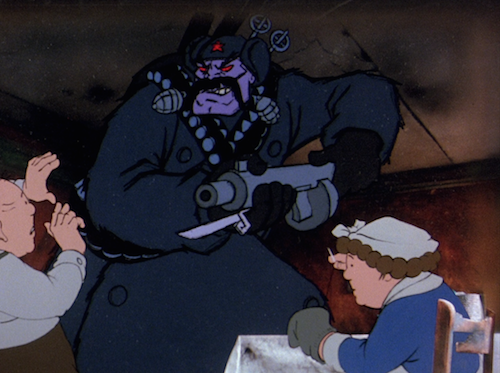
  There is a degree of quintessential British charm underlying the film, a sense of "Keep calm and carry on" that the two protagonists James/Jim (John Mills) and Hilda Bloggs (Peggy Ashcroft) maintain, and to the film's credit. "Though the subject matter of this film is dark, there is a fair amount of low-key comedic moments in the dialogue." (Burbank, 2015) The two discuss what James would wear when the bomb drops, while Hilda's first priority after emerging from the shelter is to clean up. And when the two discuss what should happen should a big scary Russian soldier burst though the door (complete with a visualisation of a hairy red-eyed giant doing just that), Hilda's reasoning is to offer the invader a cup of tea because she heard Russians like tea.

Figure 3: Imagine spots like this are scattered throughout the film, often in discussions on what
their lives in WW2 were like. (Remer, 2014)
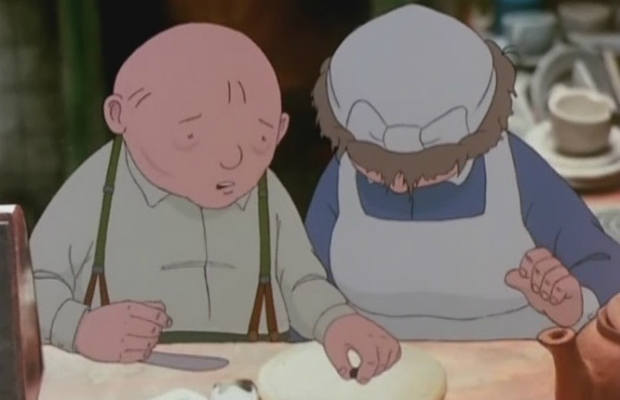
  Sometimes however the comedy hits a sad note, this becomes particularly the case when it progressively sets in that the couple are dying and unlikely to be rescued. "It’s thoroughly dark and sinister throughout to watch as this lovable, if dim-witted couple ‘Keep Calm and Carry On’ blissfully unaware that radiation poisoning is slowly affecting them." (Patrick, unknown). Initially this begins with James/Jim reading a book mentioning the various lines of defense such as NORAD as if he were reading a bedtime story, or pretending to be fighting the Russians only for his memory to slip into calling them Jerry (WW2 Germans). This optimism however becomes somewhat hindering as it evolves into mistaking the blood from Hilda's bleeding gums for lipstick or chalking up the symptoms of radiation sickness - weakness, hair loss and blotches on the skin - to something people their age develop even as the two become physically unable to lift themselves out of bed.

Figure 4: Jim's theories for Hilda's deteriorating condition hilight how little he knows of what's going on.
(Smith, 2014)
   Raymond Briggs captures both the harsh reality of the effects of nuclear war, and the charm of British attitudes at the time in his humerously written yet incredibly dark animation. It may seem peculiar for the two main characters to act with such mild reactions to what has happened, but this only plays into the dread and sets this film firmly into an era where animation was considerably dark. The quintessence of the film can be seen in our two leads, both of whom remember the Second World War fondly. For them the new ways war could be waged at this time were scary and alien, completely lacking in the romanticism they experienced in their prime. And the film does an impressive job of cementing that the late cold war was an alien time for the veterans of the last great war of the twentieth century.


References

Image References

Saturday, 12 March 2016

Film Review: Persepolis

Figure 1: Theatrical Poster (Lavoignat, 2008)
  • Director: Marjane Satrapi, Vincent Paronnaud
  • Native Title: Persepolis
  • Primary Language: English
  • Format: Colour
  • Year of Release: 2007
  • Budget: est. $7,300,000
  • Film Length: 96 minutes
  • Production Company: 2.4.7 Films, France 3 CinĂ©ma
''Persepolis''' is a 2007 French film composed by French-Iranian graphic novelist and illustrator Marjane-Satrapi. The film - adapted from a comic series of the same name, and named after a major city within Iran - documents the writer's life, particularly as she lived though Iranian Revolution of the 1980s. As she grows up, she comes to terms with politics and her faith, her place in society as a woman both in the Islamic and secular world, as well as coming to understand how the world sees her home country of Iran. All this told with a bold monochrome style, an elastic sense of exaggeration and a tone of reflection as Marjane tells her story to those who would listen. A story that ,as it turns out, could definitely be felt by anyone and not just someone having to live under an unfair government.

Figure 2: As dissatisfied with her government as Marjane was, I don't think anything could have prepared her for the level of non-conformism her friends in Vienna advocated. (Lavoignat, 2008)
  What surprised me most was that despite what sounds like a French accent, Marjene came to feel like an outsider in Vienna "where she experiences the finest condescension and misogyny that the west has to offer: in fact, something of the exploitation inherent in sexual-liberalism that the mullahs warned her about" (Bradshaw, 2008). While in Vienna she was ashamed of her Iranian heritage. She claimed herself French, yet eavesdropped gossip shows though: The people around her saw her as a "savage", a woman from a backwards nation with primitive ideals. She came to associate herself with her school's outcasts; anarchists and non-conformists, one of which regularly talked in condescension of the establishment. They were drawn to Marjane, as she had lived through a war in their eyes. But unlike the Marxist intellectuals that were her family's friends, these outcasts chimed more of the infamous Hipster movement. While Marjene's parents spoke of collective opinion as something suppressed by the elite until boiling point, Marjene's Viennan however friends spoke constantly as if living anything but their outcast lifestyle is a willful form of delusionary bliss.

Figure 3: Throughout the film, Marjane is forced to choose between fitting in and being herself. But being made uncomfortable with either. (Panic Manual, 2009)
On reflection, much of the film argues between fitting in and standing out. "Ultimately, Persepolis is concerned with the state of exile, a condition that, as evidenced by Marjane’s teenage stabs at trying to ingratiate herself into various social scenes (nihilistic punk, groovy disco, anarchic hippie), hopelessly frustrates identity formation." (Schager, 2007) Thoughout the film Marjane does not feel connected, whenever she tries to integrate, she's something that makes her fundamentally different, be it as innocuous as being a Bee-Gees fan when her friends like ABBA, to more crucial traits such as her political mindfulness keeping her from forever enjoying her time among Nihilists. Marjene is someone who doesn't fit in anywhere, travelling a rocky road of self-discovery where she has ups and downs (such as breaking out of a drugged-up depressive phase by literally and figuratively waking up and restoring herself to tune of Eye of the Tiger). She becomes more of a distinct woman embracing what makes her different than she does trying to pretend she's something she's not. Whether she's happy about it however is the difficulty, and what she struggles with for much of the film.

Figure 4: Marjane's visit to a Viennan supermarket is but the first step as she learns how thematically different Vienna is to Tehran. (Soares, 2007)
  The conflict between standing out and fitting in "It is in Vienna that the full pathos of her situation becomes clear, a dilemma that is hardly hers alone. Either she can be more or less free and give up her home, or she can return home at the cost of her freedom and individuality." (Scott, 2007) The two cities represent the two sides of freedom against belonging. Vienna, offers personal freedom, as Marjane has access to parties, men, drugs and a philosophical yearning. Yet she feels alone, unable to find people to talk to. Her outcast friends mature or move on, leaving her to find another network. While she lives with an eccentric lady with a nice apartment, but is forced to move on after lashing out using the bottled-up feelings still fresh from an unfaithful lover.

  Persepolis is a deeply insightful film, one that deals quite solidly with the challenges of fitting in and being yourself, how the search to find who you are can be at odds with what society wants or expects you to be. Even in Europe, where you might think she is free to be herself, she has problems as she is judged by where she comes from. The film thus could be considered a thought-provoking metaphor that the struggle for individuality can happen even where one might think they are free from the idea that some greater entity - be it a diety, the government or a large network of strangers - expects you to act or be a certain thing.

References

Image References

Monday, 7 March 2016

Film Review: Waltz With Bashir

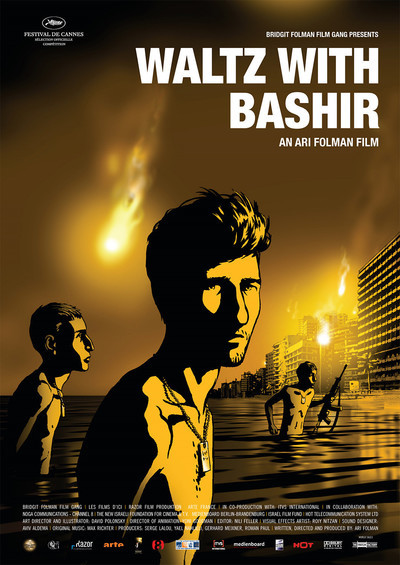
Figure 1: Theatrical poster (Ebert, 2009)
  • Director: Ari Folman
  • Native Title: Vals Im Bashir
  • Primary Language: Hebrew
  • Format: Colour
  • Year of Release: 2008
  • Budget: est. $1,500,000
  • Film Length: 90 minutes
  • Production Company: Bridgit Folman Film Gang
  Waltz With Bashir (Vals Im Bashir) is a 2008 Israeli animated film that investigates key events of the 1982 Israeli-Lebanon war. Ari Folman, the director, interviews former friends of his in the Israeli Defense Force, trying to piece together and understand a recurring dream that appeared soon after talking to a friend with a similar issue tied to his experiences in the war. Over the course of the film, Ari remensices with friends and comes to understand their experiences of life in the war and in the Israeli Army. Through the recollections he recalls the horrors of the war and learns of the desperate things some of his comrades did to survive.

Figure 2: The thick, heavy graphic style allows the film to explore the surreal that's as real and vivid as the characters experiencing them. (MovieMano, 2010) 
  The film is visually presented much like a graphic novel, with thick bold lines and colourful illustration of the events going on. Could this have been achieved with live-action footage? "Folman is an Israeli documentarian who has not worked in animation. Now he uses it as the best way to reconstruct memories, fantasies, hallucinations, possibilities, past and present. This film would be nearly impossible to make any other way." (Ebert, 2009). There is a particular scene for instance, where one of Folman's comrades hallucinates being carried in the arms of a gigantic blue woman. This might have been difficult to pull off believably with practical effects or even a live-action/CGI combination but it's not the only example. As discussed with Paprika, animation can lend a narrative quality that is much more difficult to suspend disbelief with using real footage. "The whole movie seems like an acid trip - an Alice in Wonderlandish dream for a post-9/11 world where war is a constant - and that's the beauty of "Waltz With Bashir." Folman's work allows the audience to enter a kind of forbidden zone where the characters' fantasies seem as realistic as the deadly bullets they faced. " (Curiel, 2009). In effect the storybook feel doesn't detract from the events being told. One soldier late in the film talks about deciding to exchange his LMG for an assault rifle, only to find it just doesn't feel right when he uses it. The way the film portrays this discomfort is by portraying him trying to handle a tiny assault rifle, a toy compared both to what he's used to, and everyone else's weapons.

Figure 3: Dancing under Bashir. Did this soldier go nuts, or was this a subjective exaggeration to highlight his skill? (filmWalrus, 2014)
  Thus, one of the key elements of the story is the use of metaphor, which might udnermine the idea this is a documentary. "Objective truth, while the overt impetus of documentary, proves not only fallacious but less interesting than the subjective, visceral truths elicited from an imaginative retelling. Reality, we find, is only intelligible through imagination." (Adams, 2009). Ari's recurring dream has his comrades emerge from the Black Sea outside Beirut, march to the shore under a sky lit with flares, dress in IDF fatigues, pick up guns and pass a street filled with hundreds of weeping women. Like many a dream interpretation, this is filled with meaning that becomes apparent later on. When one interviewee talks about how he saw the popularity of Lebanese president  Bashir Geyamel, we see streets filled with people wearing crosses, Bashir t-shirts, vans adorned with posters of Bashir, the imagery is highly reminsicent of periods such as Beatlemania which manages to reinforce in the space of 20 seconds just how passionate the peopel were. It may be an exaggeration, but it fits the tone of the film, which is driven by perspective. Immediately after the prior-mentioned scene where a soldier laments unfamiliarity with something smaller than an LMG, he takes one a companion is using and proceeds to dance in the middle of the street, firing the weapon off. In a real situation, he could have easily died, but this waltz under a poster of president Bashir (the film's namesake) could be a metaphor for how fluidly the soldier moved his aim between targets as he fired the machine-gun at entrenched Lebanese soldiers.

Figure 4: At the end the graphic style mixes with what becomes real, documented footage. (Rigmored, 2010)
  What is haunting is that not all of the film is animated. ""Waltz With Bashir” has attracted a lot of attention and a measure of controversy, some of it surrounding the very last moments of the film, in which the animation stops and the audience is confronted with graphic, horrifying images of real dead bodies." (Scott, 2008). Was this a bad decision? Controversial? Or perhaps it hammered home just how true these events were. It nailed to viewers unaware of the 1982 Lebanon war that this atrocity actually happened. But there might be a deeper message - the lack of landmarks in this final footage of women weeping among mountains of rubble suggest that this could have happened almost anywhere, especially poignant in a time where the Middle-East is garnering a reputation as a part of the world that knows only war; where innocent deaths, young men called to war and ruined cities are a fact of life.

  Waltz With Bashir is an artistically brilliant, hard hitting animated documentary that opens eyes and tugs at hearts. It conveys well that the soldiers on the have a different understanding of war than generals and historians, a reconstruction peppered with surreal imagery and all taking full advantage of animation's ability to tell a story figuratively while not cheapening the real-world events it might be describing with imagery so outrageous you forget its about a real tragedy. In this repsect, Waltz with Bashir does well in telling a tale its own way but keeping interest, while exploring both inner  thoughts and outer experiences.

References

Image References

Monday, 8 February 2016

Review: Mary and Max

Figure 1: Theatrical Poster (Luker, 2014)
  • Director: Adam Elliot
  • Native Title: Mary and Max
  • Primary Language: English
  • Format: Colour
  • Year of Release: 2009
  • Budget: est. AU$8,000,000
  • Film Length: 90 minutes
  • Production Company: Melodrama Pictures
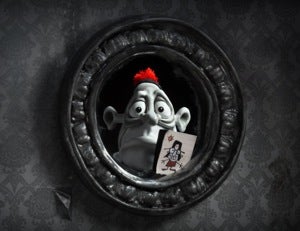
  An independent stop-motion animation released in 2009, Mary and Max is an Austrailian story about two long term pen-pals that looks heavily into long-distance friendship, loneliness, and mental conditions, primarily Asperger's Syndrome but also touches on others. Mary and Max mixes drama and dark humor to create a story about friendship between two lonely people on opposite sides of the world and a strong example that animation is not necessarily a medium suitable for children though the use of a mature subject matter and a peculiar, sometimes rather disturbing sense of humour.

  The film tells the story of Mary Daisy Dinkle, a sweet, lonely innocent child of the Melbourne suburbs and Max Jerry Horowitz, an equally lonely Jewish man living in New York City. While separated by the Pacific Ocean and most of the American continent, the two become firm pen-pals on a journey to learn friendship from each other.

Figure 2: Max's world is very dull. So when Mary sends him gifts the colour difference is suitably alien. (Pond, 2019)
  One of the first things that stood out with Mary and Max was its animation style. The film's visual style is highly reminiscent of the works of Aardman (Wallace and Gromit, Creature Comforts). The film mixes between two distinct palettes; sepia for Mary's world and grey monochrome for Max's "All of this is rendered in almost completely monochromatic claymation – only occasional colours stand out, such as the red pompom Mary sends to Max at one point." (Pulver, 2010). This is more than separating the tone to show the locations: Mary frequently sends care packages to Max, and those objects retain their colour in his world. When she sends him a bright red pom-pom. In a way, this works to the advantage of the story ad to explain how Max lives and understands the world.

  We learn halfay though the film that Max suffers from Asperger's Syndrome, a neurological condition that can emerge as a developmental disorder. "Clues and contexts are explored (his behaviours and even the use of black and white footage used during scenes with Max; underlining his perspective of life)" (Newbutt). With Asperger's Syndrome, Max prefers a quiet, plain and organised life, and the use of a monochrome colour palette for Max's world rather beautifully highlights when strange or alien things to him emerge in his life, such as the aforementioned pom-pom, or more crucially the bright red lipstick worn by an attendee of "Over-eaters Anonymous" who happens to like him in a romantic sense - something Max does not quite understand.

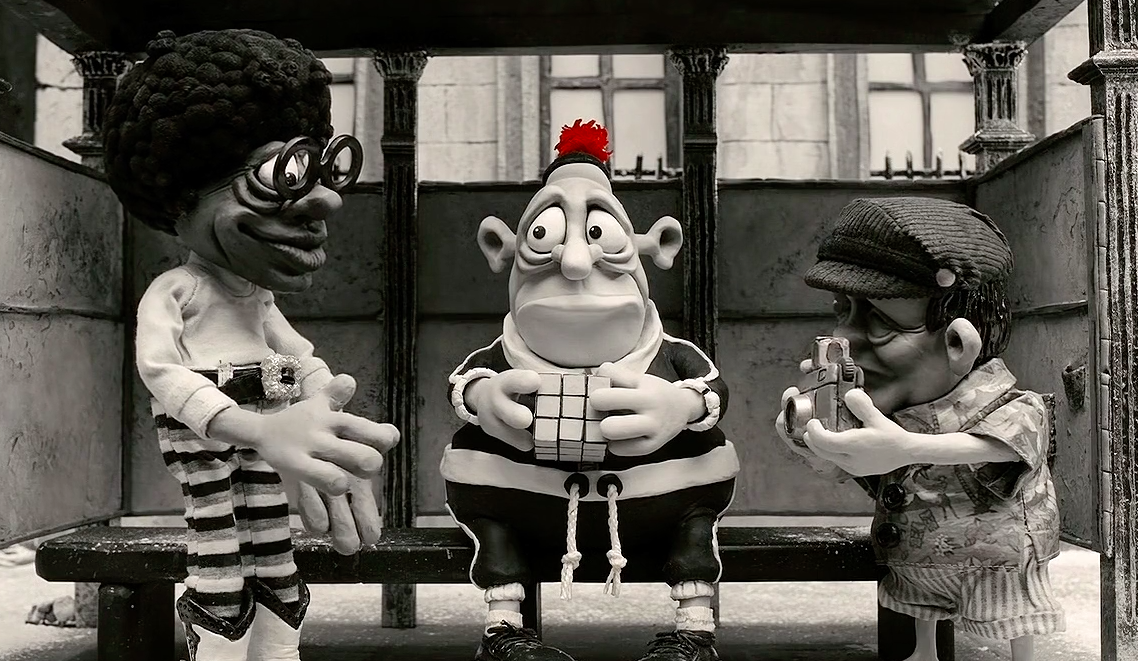
Figure 3: Max demonstrating his ability to solve complex tasks, much to the delight of his observers. (Newbutt 2014)
  But it is not just in colour; "The way that the animation (and type of animation; Claymation) deals with and picks these themes up is expressive and at times emotive. The use of exaggeration and other animation principles is well thought-out and utilized.." (Newbutt, 2014). For someone like Max, the exaggeration could be a way to portray how the world of a normal person seems to him, again a reflection on how the mind of someone with the condition may prefer quieter or more subtle experiences, and serves to highlight how chaotic New York City must seem to a man like Max.

Figure 4: Where babies come from according to Max's mother. A milder example of the kind of comedy that fills the film. (Azevedo, 2013))
 Somewhat fitting for the rather tense themes, the sense of humour the film has is definitely something to be acquired, as they can straddle into dark places but is occasionalyl sprinkeld with endearing moments. "The subject matter and tone of the film is often dark, sad and upsetting but Elliot skilfully balances such moments with dark humour and carefully timed endearing moments." (Caldwell, 2009) The story and animation skilfully weave both sweetness and dark comedy, and there are a number of cases where a viewer might end up simultaneously smiling at something lovely, reeling at the dark content that accompanies it but still laughing at the absurdity of it all. Three of the more notable examples include Mary's efforts to produce tears for Max by way of imagining Ethel getting run over by a lawnmower, a montage of ways in which Max's goldfish die - such as flying into a toaster - while under the care of the (almost) blind old lady who lives next door to him (who replaces each one she seems to kill), and Max's old imaginary friend Mr. Ravioli "leaving" him by rather cheerily saying bye jumping out of his apartment window to cause a car crash below.

  Despite the sometimes childish comedy, exaggerated animation and endearing story, Mary and Max is a very mature tale, a story for adults that enlightens on the effects of social isolation, the cruelty of the world and the effects of an oft-misunderstood condition. For this, it is a very worthwhile watch, and once you look past the charming animations, you are met with something that can easily be enjoyed by adults. Making this a fine example of how animation can be immensely entertaining and endearing for adults.

References

Image References


Monday, 25 January 2016

Review: Paprika

Figure 1: Theatrical Poster (Gateway, 2015)
  • Director: Satoshi Kon
  • Native Title: ăƒ‘ăƒ—ăƒªă‚« (Papurika)
  • Primary Language: Japanese
  • Format: Animated, Colour
  • Year of Release: 2006
  • Budget: Unknown
  • Film Length: 90 minutes
  • Production Company: Madhouse, Sony Pictures Entertainment

  Released in 2006, Paprika is a Japanese animated feature film that explores the nature of dreaming, desire and unconscious fantasy. The story revolves around the efforts of Dr. Atsuko Chiba, a psychiatric scientist and her subconscious alter-ego Paprika as they and their colleagues at the Institute for Psychiatric Research investigate the theft of the DC Mini, a prototype device designed to read and codify dreams into a watchable format. However as a prototype, the DC Mini becomes a tool of sabotage as it is used to drive its users into an impulsive delirium, with more and more people join a strange supernatural parade that wanders though the dreamworld.

  The film juxtaposes the real world and the dream world with colour, detail and imagery. Much of the action in the real world takes place in the laboratories of the Institute, its offices, even the places Konakawa resides in such as his hotel room and his office are relatively plain. The film visits relatively few more colourful places and those that it does are connected to the dreamworld. But the dreamworld itself is vibrant, detailed, warm and full of things in the background. "The world of art and film, in comparison to the real world, is much more colorful and full of detail – according to the way dreams are portrayed in Paprika. It is full of inanimate objects and random – but dazzling – scenery. It is, perhaps, meant to express the pursuit many artists make for appreciating things otherwise unappreciated." (Mailloux, 2014). The parade is the best expression of this - it is loud, colourful, alive, full of nonsense, but yet it is not random. Depsite the sheer mass of detail, all of it tends to relate to what is happening or has some connection to a real-world detail. The room where Paprika is pinned to a table by giant pins holding down butterfly wings has every squire inch of the walls covered in framed butterfly collections. The luxurious dreamworld greenhouse the institute's Chairman is met in serves as a visual foreshadowing as he emerges from behind a bush with a tree trunk for legs. But this greenhouse wasn't random either; an earlier scene showed his office filled with plant life. The parade of objects that takes centre stage is a visual link to the institute assistant Himuro, the first suspected thief who had filled his flat from floor to ceiling with dolls.

Figure 2: Positively surrounded by metaphor. (Wagner, 2012)
  While the plot revolves hugely around the power of the dreamworld, there is a side element explored by the troubled recurring dream of local detective Toshimi Konakawa that plays out like a selection of greatest hits in cinema, with an ultimate agenda in mind. "Konakawa swings through a jungle on a vine like Tarzan, loincloth and all, only to end up tussling with a man in a genre thriller, inspiring one of the film’s most poignant philosophical riddles: Where do the movies end and our dreams begin?" (Dargis, 2007) as explored in the 2010 film Inception, dreams and movies often condense the entire event, skip the dull in-between parts of a story such as bathroom breaks, the journey to the event and often play out events that may challenge the realism of what is unfolding. In both film and dream, how realistically something plays out is often set aside for the sake of a message or the action.

Figure 3: Konakawa explaining the Line of Action within a cinema within a dream. (Tunbull, 2007)
  The setting aside of realism for the story to progress is a popular element of a number of Japanese animated productions. Paprika demonstrates the use of animation to convey a deeper metaphor. and there is plenty of metaphor present. While the exploration of Konakawa dreaming a series of films is one, a further example of this could be the film's investigation of the similarities in dreams and the internet. "Many references are made to dreams being similar to the internet in that it allows individuals to find dark corners of themselves that they did not think existed, particularly those parts that could drive them to become manically obsessed with certain things." (Wagner, 2012) This was an emerging concern back in 2006, but with the explosion of internet culture, the online gaming scene and the widespread adoption of internet personalities that have come in the decade since. The parade that wanders endlessly though the dreamworld, absorbing innocent people and turning them into walking speakers of a single message uncharacteristic of their real selves could reflect the spread of internet meme culture while the depiction of people being "lost" in the dreamspace (represented by way of the DC Minis displaying only static) could be reflective of the vegetative appearance people take on when completely immersed for several hours in media such as World of Warcraft or League of Legends. The transformations of citizens into objects during the finale could also reflect the brain's ability to (when no other evidence is present) assume the various forum trolls or abrasive gamers it witnesses behave in real life as they do in the game, requiring conscious input to conclude whether their mannerisms are a byproduct of the empowering effect of anonymity.

Figure 4: This film predates Android by two years and here we have schoolgirls and businessmen who have become their phones. (One Movie Each Day, 2012).
  A cautionary tale steeped in metaphor using visually stunning and highly meaningful imagery, Paprika is a dream exploration story that also examines the possible dangers that could come from running away with fantasy. It also explores unconscious desires or the possible vibrancy of a world that might exist hidden behind the mask of someone plain and a thematic connection to the similar natures of movies and dreaming.

References

Image References


Friday, 30 October 2015

Film Studies: Skyfall

  For a film relevant to an analysis of two conflicting characters I looked at the 2012 James Bond film Skyfall, somewhat convenient I admit now that Spectre is out. Skyfall's story revolves around an element of M's (Judi Dench) past coming back to haunt her through acts of terrorism designed to provoke her. The two characters I will be looking at are Bond (Daniel Craig) himself and Raoul Silva (Javier Bardem), a former double-agent like Bond who turned his back on MI6 after M left him at the mercy of the Chinese many years ago.

  I chose these two because they are mirrors of each other: James Bond is a loyal MI6 agent who is starting to become a relic as international espionage becomes more computerised, needing field agents like him less. While Raoul Silva is the opposite - a rogue MI6 agent and a 00 like Bond who treats technology-backed espionage as the future with a personal vendetta against M.

James Bond

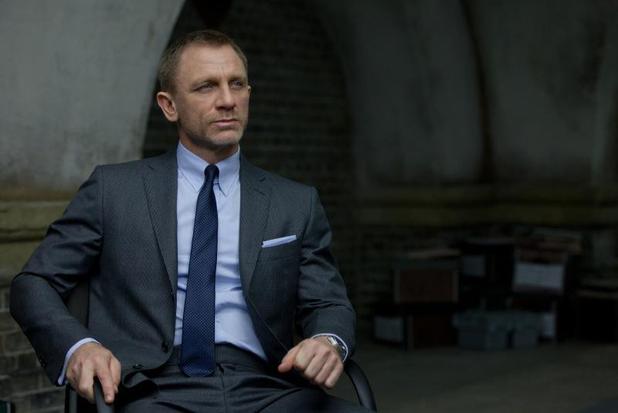
Figure 1: Bond
  • Personal Worldview: As a veteran 00 agent of MI6, Bond has a pessimistic view of the world, most clearly seen in a word-association game he undergoes. His responses to the word "gun" being "tool" and "murder" being "employment", solidifying that to him, his job is as typical as any other more domestic career. But it's something he feels he was meant to do.
  • Inherited World: Traditional Espionage. Bond prefers the old ways of doing things, being physical and collecting hard evidence.
  • Wants: Bond's mind is always on the mission at hand, and when there is a target given to him, the only thing that sticks in his mind is bringing that person in.
  • Needs: To Bond, without MI6 he is nothing. Bond's temporary retirement involves drinking and sleeping with women, but all it takes is news of a bomb attack on MI6 headquarters to send him back to London.
  • Traits: He is merciless, severely determined and apears to enjoy playing mind games with both love interests and enemies. However any mention of the word "Skyfall" tends to silence him as it is something he would rather forget.
  • Flaws: In this film, along with showing signs of falling behind the times, Bond gains a physical impairment in the form of a bum right arm that prevents him from shooting straight
  • Overall Story Arc: Bond's only real goal is to protect M and bring in Silva.
  • Conflicts: Bond is not only battling mentally with Silva, but also trying to keep useful in an age where assassinations and eavesdropping are more commonly done though a computer.
  • Value Change in a Scene: Bond spends most of the film resentful that M nearly killed him, but when M's life is finally ended, he treats a will-bestowed gift (a Union Jack emblazoned china bulldog he found tacky) as a sign she wanted him to keep doing what he does best.

Raoul Silva

Fiure 2: Raoul Silva
  • Personal Worldview: To Silva, the world is his oyster thanks to computers. He also sees himself as something that is inevitable when working for M.
  • Inherited World: Modern Espionage. Silva built up a small criminal empire stealing secrets electronically, hacking, remote sabotage and using the internet as his personal weapon of choice.
  • Wants: For what she did to him, he wants M humiliated before she is killed.
  • Needs: Silva is obsessed with M's humiliation. And wants M to understand his suffering before he fully enacts his revenge.
  • Traits: Externally, Silva is playful, egotistical and with a touch of callousness to him, He feels he can do whatever he wants thanks to how all-pervasive electronics are. Inside however he is horribly broken and desperate for revenge for what M let happen to him.
  • Flaws: Silva has a degree of ego as he appears unaware that part of what forced M to leave him to the Chinese was his own behavior, assuming that he did nothing to make M hate him. He is also shown to be not as physically well-conditioned as Bond, feeling exhausted near to where M is hiding in the finale while Bond moves like he never lost a step.
  • Conflicts: Silva never fights Bond directly. But his ego and his disdain for M are at odds with Bond's patriotism and devotion to the job.
  • Value Change in a Scene: When Silva finally gets within grasping range of M, he effectively breaks into tears. Emotionally strained and desperate for closure he decides that he wishes to die alongside M by sharing a bullet.
  I could have explored the conflict between M and Silva, as within the film there is a lot of focus on M's past catching up to her and an apparent inability to adapt to a post-Cold War world. However I decided to focus on the strong mirror that there was between Bond and Silva.

Thursday, 29 October 2015

Film Studies: The Beast From 20,000 Fathoms

Figure 1: The film's theatrical poster. Which appears
to present the beast as much larger than it was in
the film (Bourne, 2011).
  The Beast from 20,000 Fathoms is a 1953 monster film about a prehistoric dinosaur that is thawed out of the arctic ice and proceeds to terrorise the North American coast. The film is one of the signature projects by stop-motion animator Ray Harryhausen.

  The first thing that signifies Beast as a B-movie aside from the rather action-word heavy and emotionally charged messages on the poster to the right, is that the film was made on a meagre $210,000 (around $1.85 million in today's money (saving.org, 2015)). The monster, as a stop-motion creation, tended to change size depending on the scene. During a rampage tohugh New York its height to the top of the head appeared to alternate between 3 and 4 floors. In one scene the monster picks up a car with a guy in it and the camera cuts to a man in a stationary car being horribly shaken. In an earlier scene when the monster eats a fighting shark and octopus, it does so by engulfing them in its mouth by moving away from the audience as its mouth surrounds the two fighting animals. Somewhat giving away that the two sets of creatures were made up of two reels of film.

  The film's story, while gripping, does have its corny points. Dr Thurgood Elson (Cecil Kellaway) gets a good look at the monster but is so amazed at it that he refuses to have his diving bell raised even as the beast opens its mouth and subsequently eats the diving bell. When the monster attacks New York City in the climax, the first person to actually fight back does so with a police-issue revolver. Which quite expectedly does absolutely nothing and the poor cop gets eaten.
Figure 2: The beast tears down its first building, in homage to the story that
inspired it. (Bourne, 2011)
  The film itself was inspired by a short story of the same name by pulp science fiction author Ray Bradbury (of Farenheit 451 fame), which involved a sea monster attacking a lighthouse (Lauer, Suduiko, 2012), a scene that exists within the film. While the short story has the beast destroying the tower out of anger for being tricked, the monster in the film appears to destroy the tower as a random act of destruction.
Figure 3: The Redosaurus knocks down a building in New York. (Deniz, 2011)
  As I said the film is not a bad B movie. The budget was low enough that Ray Harryhausen had to do all the animation work himself (Harryhausen, 2013) and despite this the animation was considered revolutionary for its time and holds up rather well. The dialogue, while it does have a few off moments, is fairly believable - part of the skepticism of the idea of this monster being alive is that there had beenno evidence for anything surviving being flash-frozen - and the method of downing the monster is rather intelligent. There is a plot element that explains why the monster cannot be killed with conventional methods and the solution avoids a cliche of some monster films where science is bad. The film does go some way to explain monster's mindset and attack patterns, with the chain of attacks creating a believable indicator that it is travelling down the American East Coast.

Figure 4: Considering the film's budget, I'd forgive the production team if
these cars were in fact toys.
  The dinosaur's plausability also holds up compared with both predecessors and contemporaries despite its fictional nature. At the time of filming there was thought to be little distinction between a dinosaur and a reptile, and the thought at the time was that like crocodiles or snakes, dinosaurs were cold-blooded. However recent research has suggested that dinosaurs may in fact have been warm-blooded (Viegas, 2015), which makes the monster's activeness in the arctic and in Canadian coastal waters plausable.

  The film has held up well enough that the Rhedosaurus (the monster dinosaur in the film) inspired the monster movie genre and is seen as either the father or the cousin to Gojira, quite possibly one of the most famous movie monsters in history.

References

Image References

Monday, 12 October 2015

Narrative and Structure: Total Recall

Figure 1: Theatrical poster (IMDb, 2012)
  For the analysis into narrative and structure I looked into the 2012 remake of the 1990 science fiction film Total Recall. In the film, factory worker Douglas Quaid (Colin Farrell), bored with his life and being haunted by strange dreams, decides to visit Rekall, a business that offers the promise of providing fantasy memories of whatever you like. Quaid's visit to Rekall leads him on a tense journey though an overcrowded post-apocalyptic United Kingdom to get answers as to who he really is.

  Act One starts off with a literary exposition describing a world where a global chemical war has devastated most of the globe save for Europe (now the United Federation of Britain or UFB) and Australia (The Colony). The exposition act shows how Douglas Quaid lives a tiring life of the same routine.

  The Inciting Incident is Douglas's visit to Rekall. Immediately as the chemicals that would give him his fantasy of a super-spy enter his bloodstream he is accused by Rekall's manager (John Cho) of being a spy and everyone but Doug is shot dead by the sudden arrival of UFB soldiers. Plot Point One comes shortly after Lori Quaid (Kate Beckinsale), Doug's wife turns out to be a UFB undercover agent who then tries to kill him. Charles Hammond, an apparent friend, tells him to open a particular safety deposit box at a bank that will give him answers after Doug escapes Lori.

  Much of Act Two focuses on Doug as he tries to unravel who he is while Lori and the UFB chase him down. The Midpoint of the film is after Doug explores an apartment he apparently used to own, where a recording of himself explains everything. Not long after there is a tense scene where a friend of Doug's (Bokeem Woodbine) explains he's still in Rekall and has to wake up or risks losing himself in his fantasy.

  Plot Point Two comes after Doug and his partner Melina (Jessica Biel) evade Lori once again and travel to meet Matthias Lair (Bill Nighy) who can give him the answers he needs and the motivation to stop chancellor Cohaagen's (Bryan Cranston) plan of leveling the Colony. 

  Act Three begins when this discussion is interrupted by Cohaagen himself who assults the base, setting off the Climax as his assault culminates in strapping Doug to a chair like the one in Rekall and plans to inject him with a serum that will convert him into his former identity minus the betrayal. After he leaves for The Fall (the primary connection between the UFB and The Colony), Charles Hammond cuts Doug loose from the chair and allows him to escape. Much of Act 3 revolves around fighting to destroy The Fall, which contains the army Cohaagen planned to use against The Colony.

  After Cohaagen is killed in the explosion that destroys The Fall, Doug wakes up in a medical unit to see Melina. Who is in fact his wife in disguise. When Doug realises he kills her and thows her body out of the ambulance that saved him.

  The film's Ending at first glance appears to be a classic partial ending: Doug is a hero, he has the girl, they both look out to the sunrise and The Colony is celebrating its first act in becoming an independent nation. The one big thing that makes this film have an open ending however is one question: Did the events of the film actually happen? Did the film end within Doug's fantasy? In the midpoint Doug's friend Harry appears between him and an army of UFB armed response soldiers explaining that he's running the risk of losing himself in the fantasy, acting like he's fully aware of the mechanics of the fantasy while Melina is screaming that it's all a UFB trick. So the question is raised if shooting Harry was a point-of-no-return. Or was Rekall's manager right that Doug was in fact as spy as he changed his tune right as the chemicals entered Doug's bloodstream.

  These questions likely stem from one moment: there is no cinematic change between the moments before and after the manager is aware of Doug being a super-spy. The way the shot is assembled it is as though, out of the blue, the manager of Rekall realises his checks missed something out. We are treated to a series of voices after the explosion of The Fall, memories about what was said about memories and Rekall as Doug wakes up in an ambulance. All seems like it might be real until Melina (who Doug had no idea of outside his dreams) appears beside him, but it turns out to be his homicidal wife and Melina is outside.

Image References

  • Figure 1: IMDb, 2012; [Theatrical Poster]; Total Recall (2012) Poster; available at http://www.imdb.com/media/rm448637696/tt1386703?ref_=tt_ov_i# (last accessed 13th October 2015)

Tuesday, 6 October 2015

Character Archetypes: Mulan

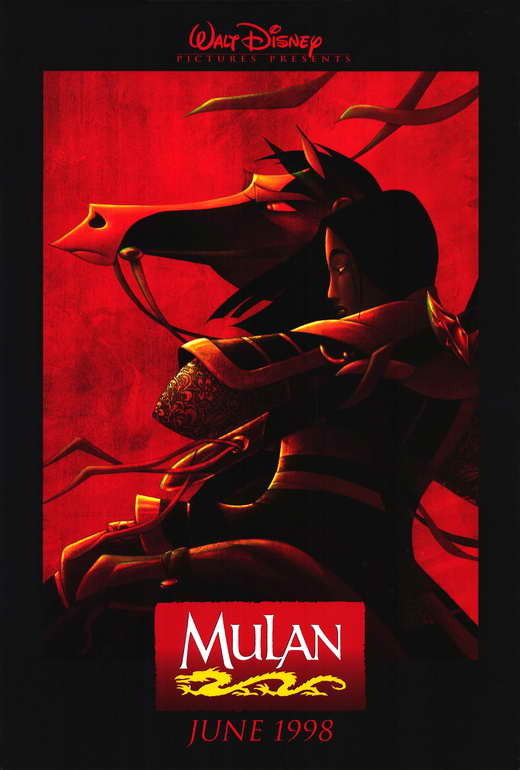
Theatrical Poster
    For examination into character archetypes in the Hero's Journey, I examined the archetypes present in the 1998 Disney film Mulan. A story of a woman who disguises herself as a man to take her ailing father's place when the emperor of China calls for a draft to defend the kingdom from terrifying invaders. Most of the archetypes are there, some twists and like Kingdom of Heaven it appears to have more than one mentor figure who teaches Mulan.

    It felt somewhat appropriate given that my character project is set within ancient China. I felt that at least some of it could have helped inspire me into making a more solid image for the game and the setting. Conveniently this film contained the lion mythology; both of the stone statue variety and the costume commonly seen during a New Year festival parade.
  • The Hero: Fa Mulan herself. She is undertaking the hero's journey.
  • The Shadow: Shan Yu, the Hunnic general. While Mulan heads to war to retain her family's offer, he goes to war for conquest and to show strength. Going as far as (according to what he told two Chinese scouts) to consider the Great Wall as the Emperor issuing him a personal challenge.
  • The Mentor: Mulan's father, Fa Zhou, fulfills the role of the wise old man who has been a soldier and fought for his country before while Li Shang acts as a more active mentor who trans Mulan to be a soldier.
  • The Threshold Guardian: In order for her plan to work, Mulan has to pass herself off as a man, which nets her in trouble as she causes a fight on her first day.
  • The Herald: The emperor's consul, who issues out the draft decrees, including the one for Fa Zhou.
  • The Shapeshifter: The consul. While loyal to China and the emperor he spends much of the time at the training camp intent on making captain Li Shang to sound like a disgrace of a captain.
  • The Trickster: While Mushu the dragon does have moments where he appears to enjoy himself, it pales in comparison to Cri-Kee who strongly lives in the moment.
  • Allies: Yao, Ling, and Chien-Po. Three good friends with each other who come to see Mulan (as Ping) as one of the group.
The Jungian Archetypes
  • The Child: Mushu. He starts off in a rather low position within the family shrine. Nervous at times and panicking whenever Mulan is in genuine danger, he does what he does to impress his elders.
  • The Maiden: Mulan herself. She at first didn't think she'd see a soldier's life, as she starts off learning how to be a lady and is upset when she messes things up with a matchmaker.
  • The Mother: Mulan's mother and grandmother are very caring of her, and when she disgraces herself with a matchmaker the two of them try to comfort her
  • The Father: Li Sheng. As the commanding officer he is a clear authority figure that Mulan works to gain the respect for. When he does discover her secret right after she saved his life, he is respectful enough of her to discharge her rather than execute her as the law commands.

Image References